The Monday After


There is a library of literature on how to start IVF.
There are pamphlets on how to mix the meds. There are forums on how to interpret a twitch in your left ovary. There are Instagram accounts dedicated to "manifesting" a heartbeat.
There is almost nothing written on how to stop.
When you decide to end treatment, society expects a cinematic climax. A tearful breakdown in the doctor's office. Throwing a box of syringes into a skip in slow motion.
That isn't how it happened for us. We decided to stop over two years ago. It wasn't a dramatic Hollywood moment. We didn't throw the needles in the bin and storm out of the clinic in a blaze of glory.
It was a quiet attrition. It was a slow leak.
We looked at the emotional bank account. Then we looked at the financial one. Then we looked at each other. We realised we were overdrawn in every currency that matters.
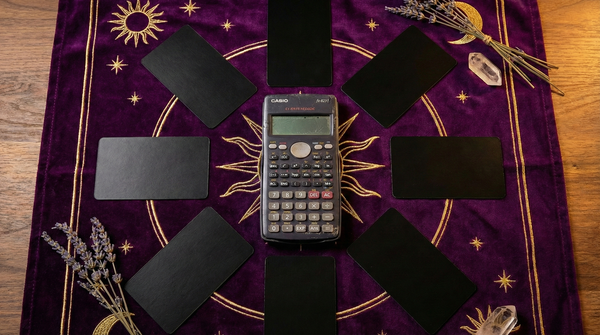
Making the decision is agonising because of the Sunk Cost Fallacy. It is a powerful drug. It whispers: You’ve already spent so much money, so much pain, so much time. Just one more hand. The next card is the Ace.
Walking away feels like folding a winning hand. It feels like betrayal.
Our conversation didn't happen in a sterile office. It happened in the car. It was an emotional negotiation, driven by a mutual, quiet surrender. Neither of us wanted to be the executioner. We both wanted to avoid the responsibility of being the one who finally killed the dream.
As long as the idea of IVF was alive, we still had hope. It was a terrifying, expensive hope, but it was there. Saying the words out loud meant it was dead. It meant we had to stop beating a dead horse and get on with things. We just didn't go back for more punishment.
The first Monday after we decided to stop was terrifying.
For what felt like years, our relationship had been organised around The Cycle. Can we book a holiday? No, egg retrieval is in June. Can we buy that couch? No, that’s half a cycle. Can I drink this wine? No, sperm health.
Suddenly, the calendar was blank.
The silence in the house, which used to scream "Failure," just felt like... silence. It was terrifying because it meant accepting the death of the path we thought we were about to walk down. We realised, very suddenly and very sharply, that the entire world is built around families. It is not built around the childless. We felt entirely alone.
This wasn't just a single grief. It was a grief stacked on top of a lifetime of them. C. had lost her Dad early. We had met later in life. I had navigated a rollercoaster of shitty medical conditions, culminating in testicular cancer. The whole thing felt like a cruel, cosmic joke.
But two years later, the silence has changed texture. It feels more like space. We are reclaiming our weekends. We are enjoying our money without doing the math. We are booking trips to without asking a doctor for permission.
But I won't lie and say stepping off a plane in Tokyo instantly fixed us. It didn't. We still walked the streets of Kyoto and saw families travelling together, enjoying the exact life we had spent years trying to buy. It hurt.
But I was trying to build beautiful memories of travel with C. She had been through a war. She deserved the world, and I was trying to get it for her.
We are building a "Third Entity", a partnership that isn't about managing a family, but about witnessing each other.
The grief hasn't gone. It hasn't disappeared. It just changed shape. It’s no longer a sharp knife; it’s a heavy piece of antique furniture in the living room. We walk around it. Sometimes, on bad days, we stub our toe on it. But we aren't afraid of it anymore.
We didn't quit. We saved the rest of our lives.
Reporting from the other side of the decision. If this helps, Buy Us A Chip.